
Roof Reed – Natural Thatching Material for Long-Lasting Thatched Roofs (2025 Guide)
Traditional reed-based roofing has been a symbol of European craftsmanship for centuries. Even today, natural reed bundles remain one of the most reliable, sustainable, and visually appealing materials used for building and restoring thatched roofs. This 2025 guide explores everything you need to know—how these materials are harvested, their benefits, where they are used, and why they continue to be a top choice for eco-friendly construction
What Is Roof Reed?
Roof reed is valued for:
-
Its lightweight structure
-
Natural waterproof properties
-
Flexibility for shaping roofs
-
Beautiful golden color
-
Long-lasting performance
Because of its natural texture and durability, roof reed is used both in traditional European villages and luxury eco-resorts.
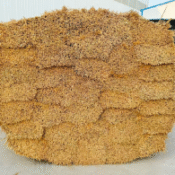
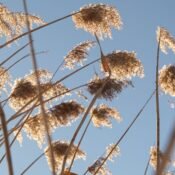
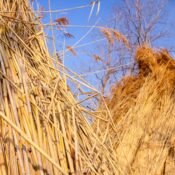
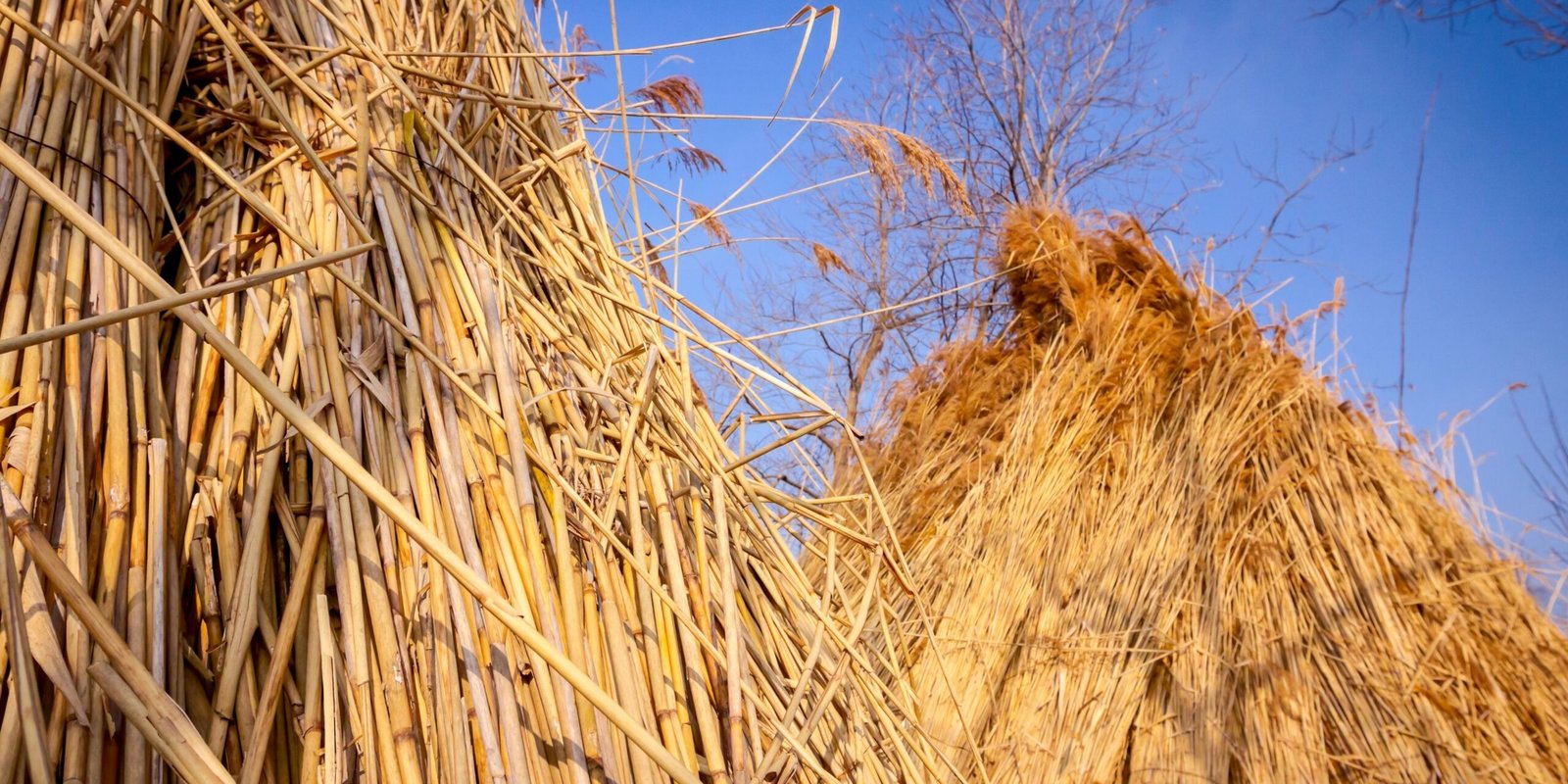
Roof reed is a natural reed harvested from wetlands, lakesides, and riverbeds. It is cleaned, dried, and bundled into uniform bundles, which are used for thatched roofing projects.
[caption id="attachment_1632" align="alignnone" width="600"]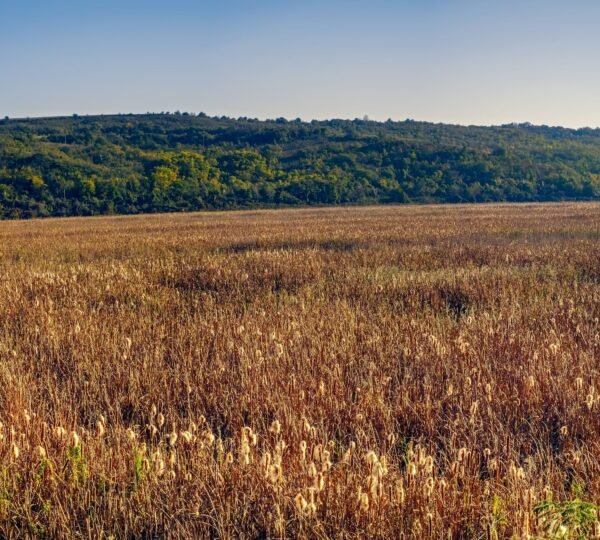 Roof Reed Netherlands Premium[/caption]
Natural Strength & Durability
High-quality reeds hold their shape and provide excellent resistance against wind, rain, and harsh seasonal climates. This durability makes them ideal for both traditional and modern structures."A roof built with natural reed is more than shelter—it's a timeless connection between craftsmanship, nature, and heritage"
Lightweight & Flexible for Shaping
Builders prefer these reeds because they bend easily, allowing architects to design rounded, curved, and decorative roof shapes without difficulty.
[caption id="attachment_1646" align="alignnone" width="600"]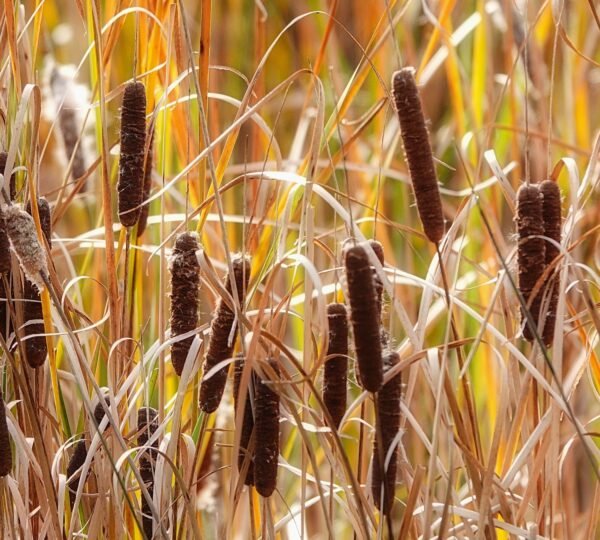 Phragmites Thatching Bundles[/caption]
Benefits of Using Natural Reed for Roofing
Thatching materials made from reeds are widely appreciated for their performance and natural beauty.
Excellent Weather Protection
The tight structure of bundled reeds acts as a natural shield, shedding water quickly and preventing moisture from seeping into the roof.
Eco-Friendly & Sustainable
Since these materials grow naturally and require no chemical treatment, they offer an environmentally safe roofing solution that supports sustainable building trends.
Beautiful Rustic Appearance
The warm natural color and texture of reed create the iconic European countryside look that many homeowners and resorts love.
[caption id="attachment_1635" align="alignnone" width="600"]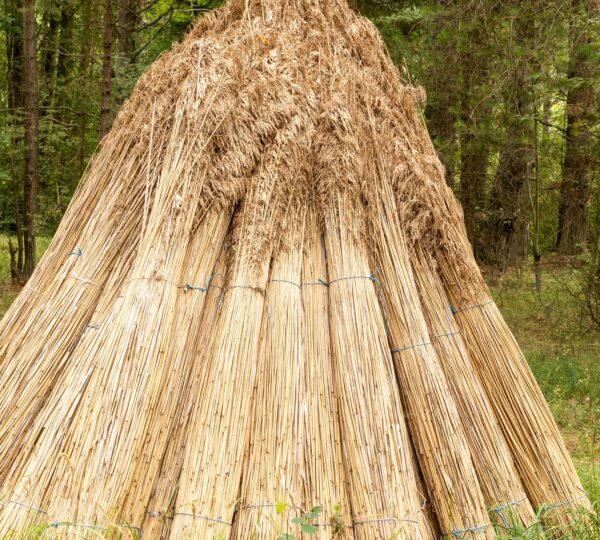 Roof Reed Cutting[/caption]
Roof Reed vs Water Reed – How Do They Compare?
Both materials are excellent for thatched roofing, but their performance differs slightly.
-
Roof reed is flexible and easy to shape
-
Water reed tends to last longer and is more rigid
-
Roof reed is best for detailed architecture
-
Water reed is ideal for long-term durability
This comparison helps builders choose the right material depending on the project’s design and climate conditions.
Where Thatching Reed Is Commonly Used in Europe
Traditional reed-based roofing is widely found in:
-
Netherlands
-
Germany
-
Denmark
-
United Kingdom
-
Hungary
-
Romania
-
Croatia These regions preserve centuries-old thatching traditions while adopting modern techniques to improve roof longevity.
How to Identify High-Quality Reed Bundles
To ensure the best results, builders look for:
Uniform Color & Shape
Reed bundles should be clean, evenly sized, and golden in color.
Firm, Tight Binding
Well-tied bundles keep the structure strong and stable during installation.
Dry, Mold-Free Material
Moisture-free reeds increase the lifespan of the roof and prevent early decay.
Why Reed Thatching Is Still Relevant in 2025
As sustainable architecture grows in popularity, natural materials like reed are making a strong comeback.
Modern homeowners and architects choose reed roofing because:
-
It reduces energy use
-
It blends beautifully with natural landscapes
-
It supports eco-friendly construction
-
It helps preserve cultural heritage
Even luxury resorts and boutique villas now use reed-based roofing for its aesthetic appeal and environmental benefits.
Natural reed remains one of the most dependable and visually stunning materials for thatched roofing. Whether you're restoring a heritage cottage or designing an eco-resort, reed-based roofing offers longevity, beauty, and sustainable performance. With proper installation and good-quality bundles, a thatched roof can last decades while maintaining its timeless charm.
For more details on sustainable materials, explore our Water Reed Guide page
Read our full blog Read our full blog
Professional Thatching Resources in Europe